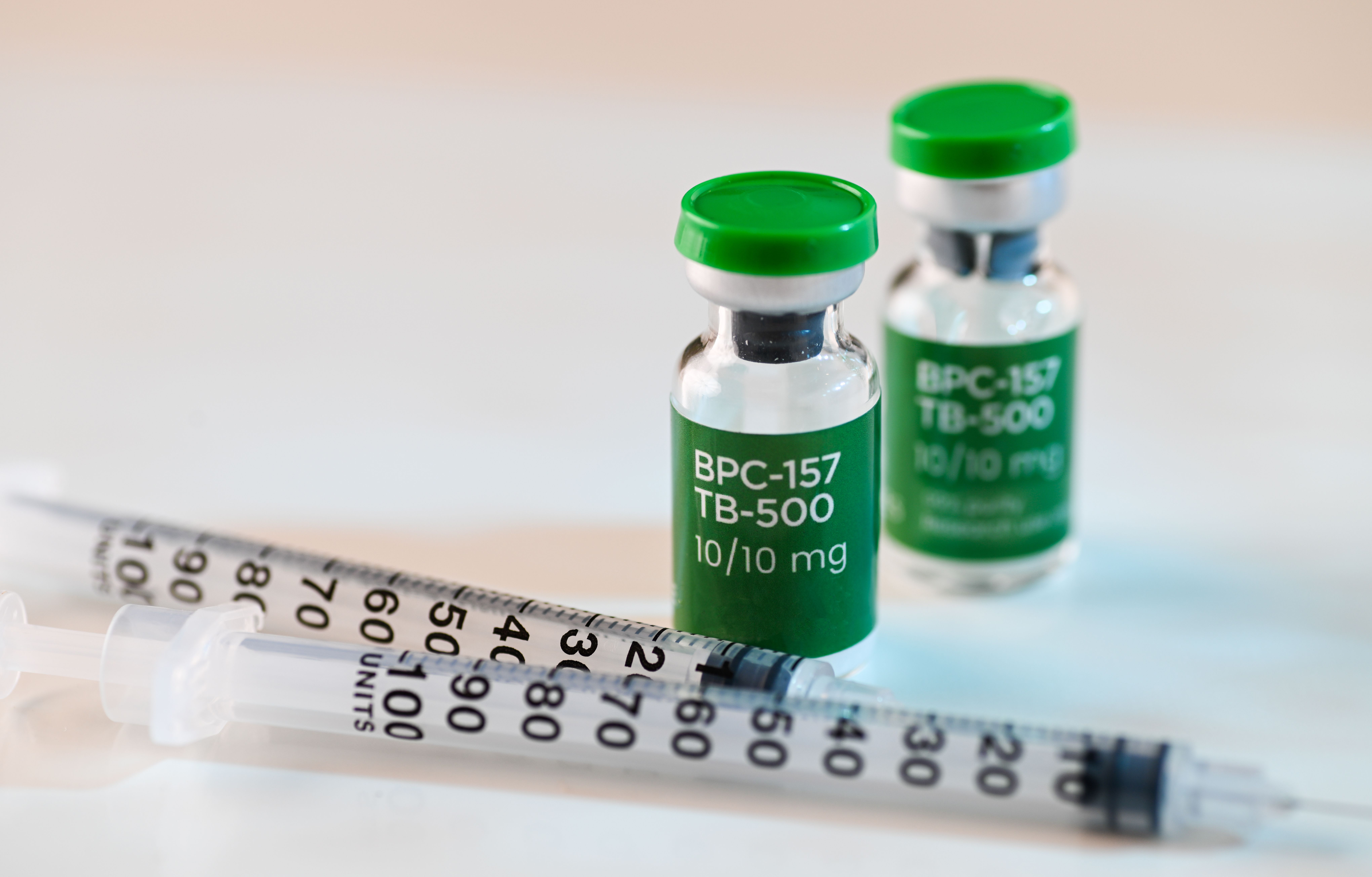
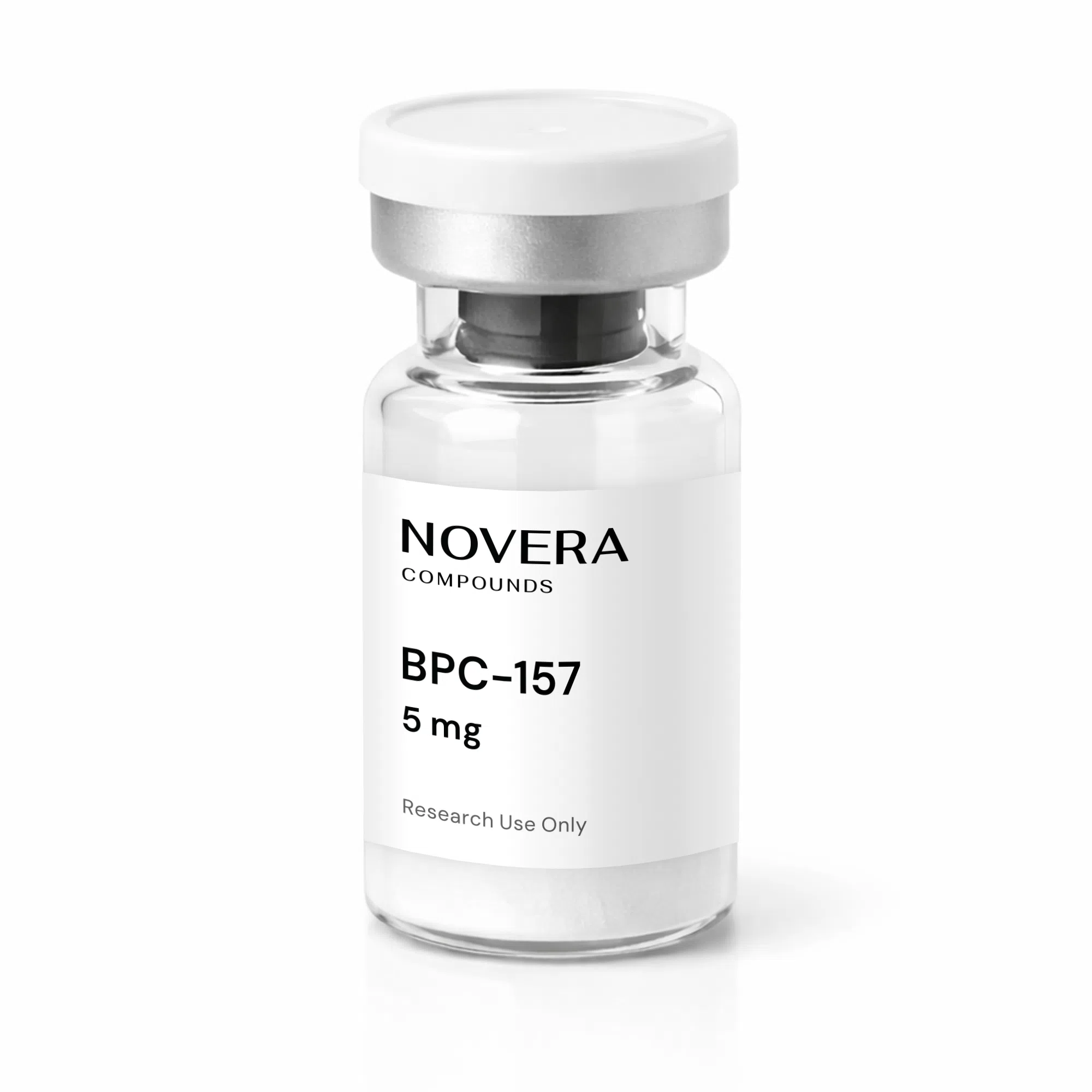
Contamination risk minimal with proper handling
As per your bodys requirement, your doctor will prescribe you injections and it is your job to follow them timely
Disclosure of interest: None Poster Session II - ACUTE ISCHEMIC STROKE MANAGEMENT 01.00 - ACUTE ISCHEMIC STROKE MANAGEMENT - 01.02 - ACUTE MANAGEMENT - Thrombolysis or thrombectomy P682 - ESOC25-1141 RISK OF SYMPTOMATIC INTRACRANIAL HEMORRHAGE IN ENDOVASCULAR STROKE TREATMENT: A META-ANALYSIS OF RANDOMIZED CONTROLLED TRIALS Joo Andr Sousa 1 , Sara Bernardo-Castro 2 , Joao Nuno Ramos 3 , Helena Donato 4 , Joo Sargento Freitas 1 1 Stroke Unit, Unidade Local de Sade de Coimbra, Portugal, Coimbra, Portugal, 2 IISPV Pere Virgili Health Research Institute, Tarragona, Spain, 3 Diagnostic Neuroradiology Unit, Imaging Department, Unidade Local de Sade Gaia e Espinho, Vila Nova de Gaia, Portugal, Vila Nova de Gaia, Portugal, 4 Documentation and Scientific Information Service, Hospitais da Universidade de Coimbra, Unidade Local de Sade de Coimbra, Portugal, Coimbra, Portugal Background and Aims: Symptomatic intracranial hemorrhage (sICH) is a key safety outcome in endovascular therapy (EVT) for acute ischemic stroke (AIS)

In logistic regression analysis, male patients (OR 0.41[CI 0.18, 0.97];P = 0.043) and vertebral artery sCeAD (OR 0.33 [CI 0.14, 0.78];P = 0.012) were less likely to have recanalization after a median of 6.9 years
Injections deliver vitamin B12 directly into the bloodstream, bypassing digestive absorption issues that can limit the effectiveness of oral supplements