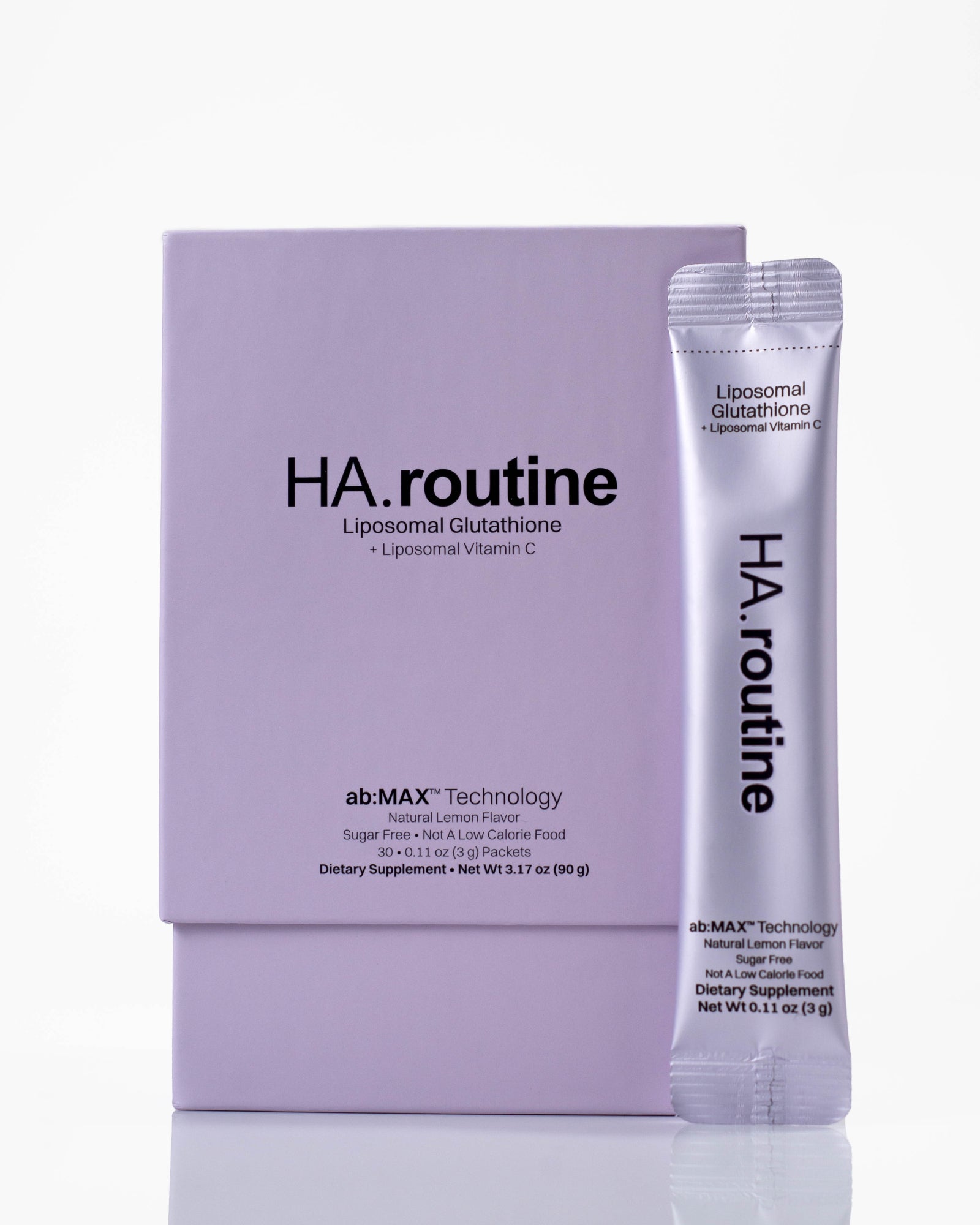
This mechanism supports studies in cellular rejuvenation, energy production, and metabolic resilience
As discussed earlier, meniscus repair is the best option for this specific population to minimize the risk of future degenerative changes
Peptides are currently under development as drugs for treating several pathologies, including microbial infections, obesity, and cancer, and also for developing cell-targeting platforms and improving cell-penetrating properties, according to a 2023 study from the University of Pavia in Italy
CagriSema: The Proven Combination The cagrilintide and semaglutide combination (branded as CagriSema) represents the most clinically advanced cagrilintide-based combination therapy: Mechanism: Cagrilintide activates amylin receptors Semaglutide activates GLP-1 receptors only Two-pathway approach to weight management Clinical Results: 15.6% average weight loss in phase 3 trials Superior to semaglutide monotherapy (8.1% weight loss) Well-tolerated with manageable side effects Regulatory submissions completed in 2024 [9] Theoretical Advantages of Cagrilintide with Retatrutide A cagrilintide blend with retatrutide would theoretically offer several advantages over the CagriSema approach: Expanded Mechanism: Cagrilintide: Amylin receptor activation Retatrutide: GIP + GLP-1 + glucagon receptor activation Four-pathway approach versus two-pathway Potential Benefits: Greater weight loss magnitude (retatrutide alone achieved 24.2% vs semaglutide's ~15%) Enhanced energy expenditure through glucagon activation Improved metabolic flexibility from GIP effects Potentially superior glycemic control Comparison Table: For researchers interested in exploring various peptide combinations, understanding peptide blend research principles provides valuable foundational knowledge

Reported side effects are generally mild and include temporary gastrointestinal discomfort, headaches during initial use, occasional fatigue as the body adjusts, and rare nausea, especially when taken without food