It plays a vital role in cellular migration, proliferation, and differentiation
Throughout the 1980s and 1990s, researchers in Europe and Russia conducted numerous studies on DSIP, examining everything from its effects on insomnia to its potential role in pain management and substance withdrawal
References: Office of Dietary Supplements, National Institutes of Health
She approaches medicine with curiosity, compassion, and a commitment to truly understanding each patients story
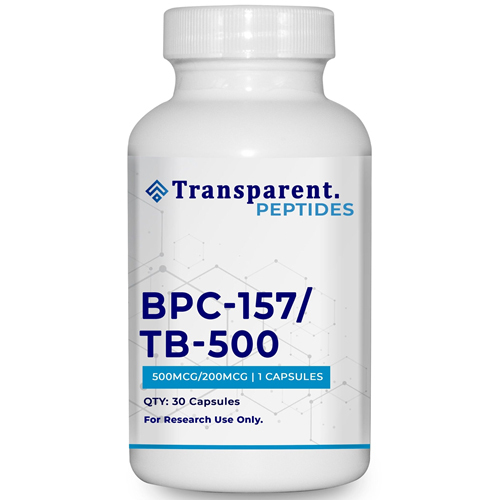
When to use BPC-157 only Choose BPC-157 as your sole peptide when: You have a single, localized injury The injury is acute (happened recently) You need fast pain relief You can inject near the injury site You're dealing with gut issues alongside the injury Best for: Pulled muscles Minor tendon strains Acute ligament sprains Rotator cuff issues Tennis/golfer's elbow Patellar tendonitis Gut inflammation or ulcers When to use TB-500 only Choose TB-500 as your sole peptide when: You have multiple injury sites The injuries are chronic (months or years old) You can't easily access the injury site with injections You want systemic anti-inflammatory effects You're focused on long-term tissue quality Best for: Chronic overuse injuries Multiple nagging problems Hamstring or calf strains Lower back pain Widespread inflammation Athletic performance enhancement Preventative injury protection When to stack both Combine BPC-157 and TB-500 when: The injury is severe (major tear, rupture) You're recovering from surgery Chronic injury isn't responding to single peptides You're an athlete needing maximum recovery You want both immediate and long-term healing The stacking protocol: Morning: BPC-157 (250-500mcg) near injury site Evening: BPC-157 (250-500mcg) near injury site Monday & Thursday: TB-500 (2.5-5mg) anywhere subcutaneous This gives you local healing from BPC-157 plus systemic support from TB-500