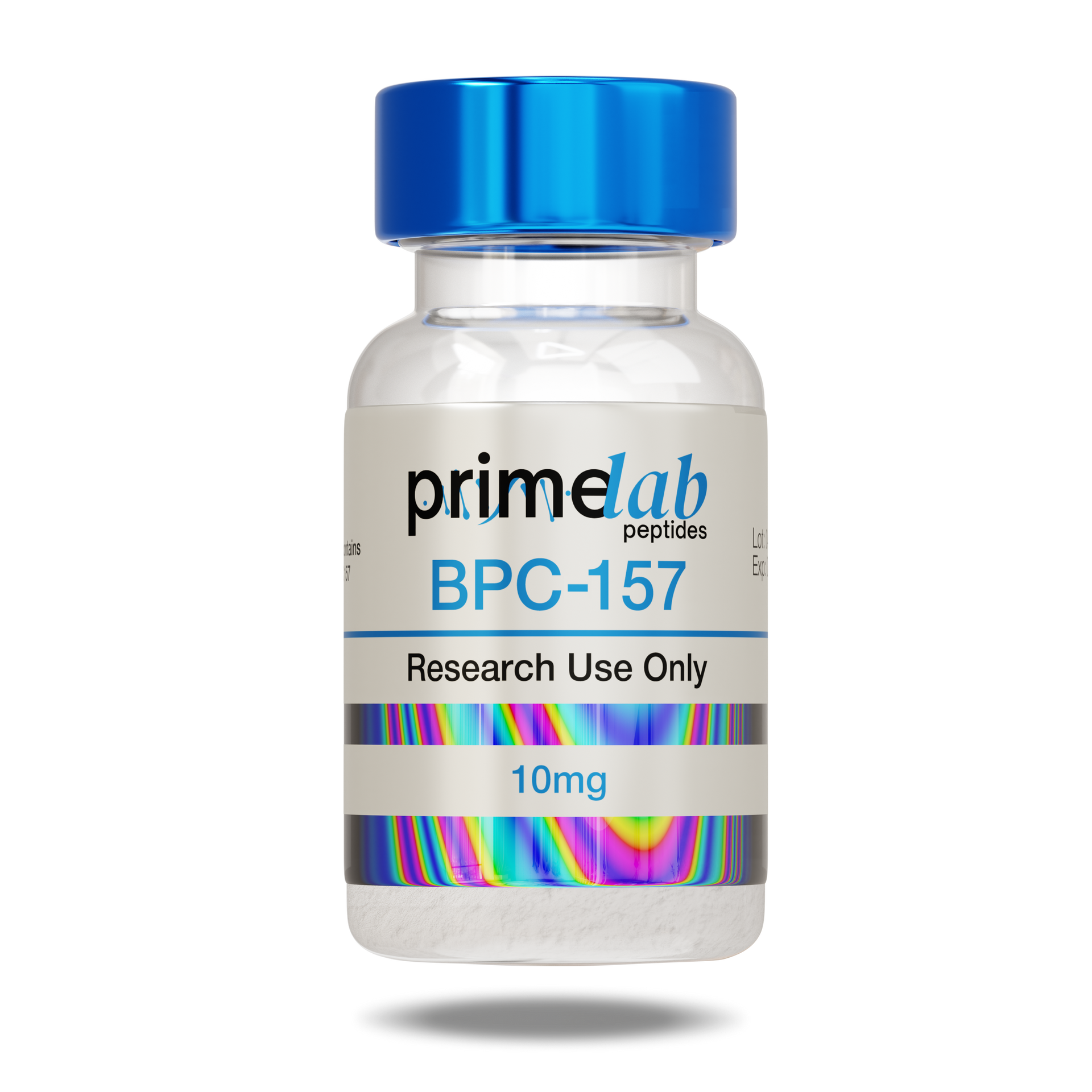
Thanks to this, you can pierce the same peptide vial and withdraw from it gradually over days to weeks , without the solution spoiling
Step 1 Concentration Reconstitute the 70 mg vial with 3 mL of bacteriostatic water
It is commonly studied for how signaling networks guide communication between cells and their surrounding environment, particularly in relation to adaptive response and structural organization
GLP-1 receptor agonists like semaglutide and tirzepatide, for example, are designed specifically for SubQ administration to achieve the steady plasma concentrations that drive their clinical effects. The seven major therapeutic peptide categories GLP-1 receptor agonists, growth hormone secretagogues, tissue repair peptides, antimicrobial peptides, neuropeptides, peptide hormones, and peptide bioregulators each have specific administration requirements

When to Use Each in Research BPC-157 may be more suitable for research involving: Gastrointestinal mucosal research (its origin and primary research domain) Musculoskeletal tissue repair studies (growing evidence base) Vascular biology and angiogenesis research Studies requiring acid-stable peptides Nitric oxide system investigations TB-500 may be more suitable for research involving: Wound healing and skin biology (T4s primary research domain) Cardiac tissue repair and regeneration Corneal research and ocular biology Cell migration and cytoskeletal dynamics studies Stem cell and extracellular vesicle research Practical Information Both compounds are supplied as lyophilized powders and reconstituted with bacteriostatic water