Some online platforms have streamlined this process, allowing individuals to complete an online evaluation with a licensed doctor who can determine if a prescription is appropriate
The relative abundance of Erysipelatoclostridium was increased in vehicle-treated mice that underwent the WD to LD switch (WD/LD-V) relative to the two control groups (LD/LD-V and WD/WD-V) but was not increased in 5A-1MQ-treated mice that underwent the same diet switch (WD/LD-T)
Based on the clinical evidence and the patient profiles where the compound appears most applicable, the following characteristics tend to describe good candidates for AOD 9604 evaluation when it is medically supervised: Patients with stubborn localized fat deposits that have not responded to diet and exercise, particularly visceral and lower abdominal fat Patients who cannot tolerate GLP-1 medications due to nausea, gastrointestinal side effects, or contraindications Active patients with reasonable baseline metabolic health who want a targeted lipolytic tool to complement their training and nutrition program Patients already on a peptide protocol who want to add a fat-targeting element to a GHK-Cu, NAD+, or sermorelin stack Patients who are not candidates for stimulant-based fat loss medications due to cardiovascular sensitivity, anxiety, or blood pressure concerns AOD 9604 is not appropriate as a standalone weight loss strategy for patients with significant obesity, insulin resistance, or metabolic syndrome

Pre-existing conditions: Generally safe even with most health conditions since it doesn't affect blood sugar, blood pressure, or hormone levels
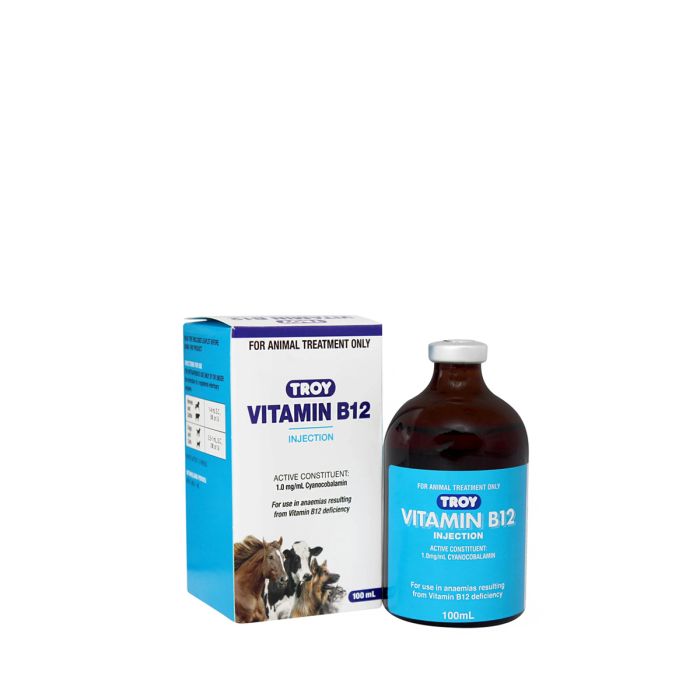
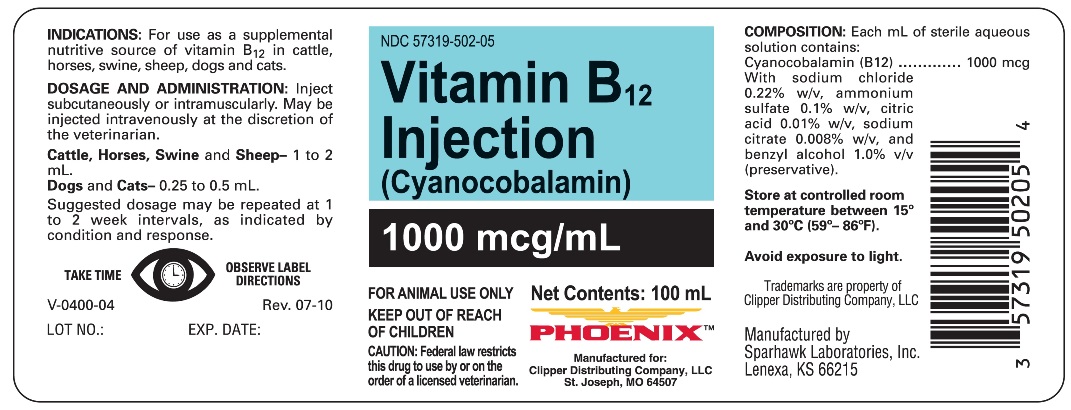
Vitamin B12 injections are commonly used to correct deficiencies and support overall health